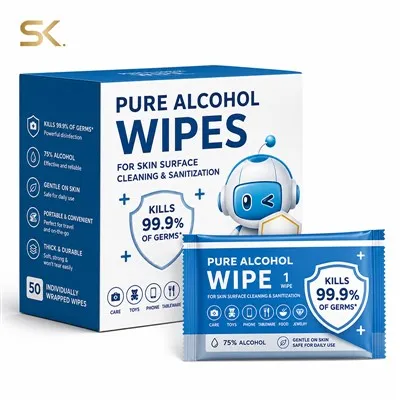


The Framework of Wet Wipes: Substrate Selection
The base material of a disinfecting wet wipe acts like the steel reinforcement within a building structure, determining the product's durability and tactile feel. Currently, two primary materials dominate the market:
Non-woven Fabric: Accounting for approximately 70% of total raw materials, this is typically produced from polypropylene fibers using a melt-blown process. It features a fluffy, porous structure that effectively locks in liquid while resisting lint shedding.
Biodegradable Materials: Some products utilize a composite blend of wood pulp and spunlace non-woven fabric; this approach enhances eco-friendliness while maintaining structural integrity.
The Secret to Disinfection Power: Active Ingredients
Quaternary Ammonium Compounds: Such as Benzalkonium Chloride, these agents disrupt microbial cell membranes and are effective against most common bacteria.
Alcohol-based Compounds: Typically consisting of a 60–75% solution of ethanol or isopropyl alcohol, these evaporate rapidly without leaving any residue.
Plant Extracts: Certain products incorporate ingredients like tea tree oil to provide supplementary antimicrobial properties, imparting a natural, pleasant fragrance.
Supporting Ingredients That Enhance Usability:
Humectants: Propylene glycol helps retain moisture, preventing the fibers from scratching or irritating the skin during wiping.
pH Adjusters: Sodium citrate maintains a slightly acidic pH level, thereby minimizing skin irritation.
Stabilizers: Disodium EDTA prevents the oxidation and degradation of active ingredients, thereby extending the product's shelf life.