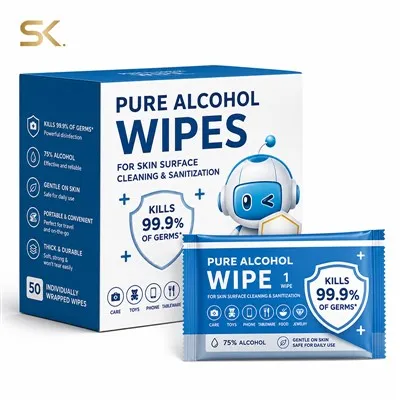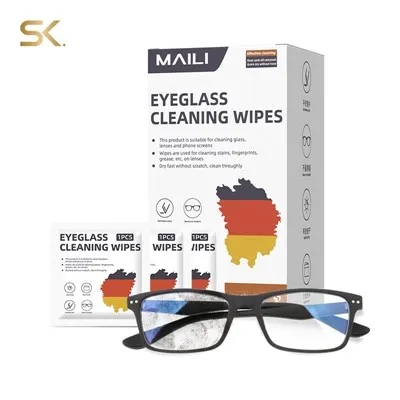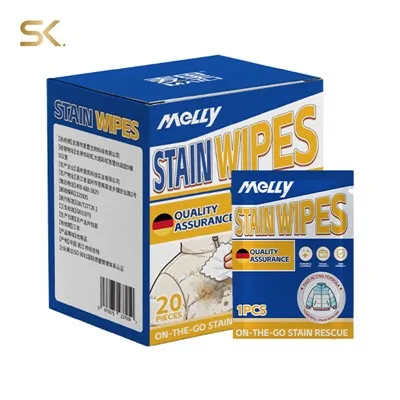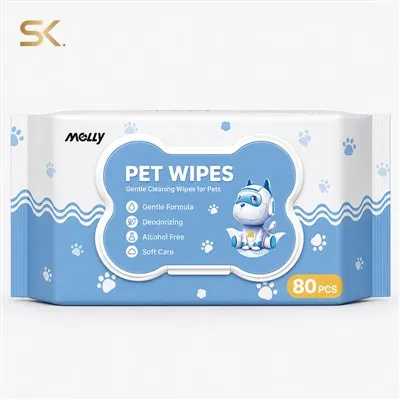


The advantages of using hydrophilic silicone oil in personal care wet wipes are primarily reflected in the following aspects:
Mildness and Safety: The hydrophilic groups (such as polyether segments) within the molecular structure of hydrophilic silicone oil ensure excellent compatibility with water, thereby minimizing skin irritation and making it suitable for use in wipes designed for sensitive skin and infants. Its low surface tension facilitates the formation of a protective film, helping to prevent friction-induced skin damage during wiping.
Enhanced User Experience: By reducing friction between fibers, the wipes acquire a softer and smoother tactile feel; simultaneously, the silicone oil helps to lock in moisture and maintain hydration levels. Furthermore, its hydrophobic segments impart a subtle moisturizing sensation, effectively preventing skin dryness.
Functional Synergy: Hydrophilic silicone oil disperses uniformly throughout the wipe solution, facilitating the stable release of active ingredients-such as antimicrobial agents and humectants-thereby enhancing the overall efficacy of the cleaning or care process. Additionally, its anti-static properties help prevent fiber adhesion, making it easier to dispense individual wipes.
Formulation Compatibility: It exhibits excellent compatibility with other formulation components (such as surfactants and preservatives) and demonstrates robust resistance to acids, alkalis, and high temperatures, making it fully compatible with the sterilization processes typically employed during wet wipe manufacturing. In summary, through a multifaceted mechanism of action, hydrophilic silicone oil significantly enhances the practicality, safety, and comfort of wet wipes, establishing itself as a key additive in premium personal care wipe formulations.